You think shapeshifters started with Twilight? Absolutely not, my friend! Humans have been telling stories about people who turn into animals... or animals who turn into people... since before we had a written language to argue about it. Every corner of Europe has its own version, and some of them are way darker than anything Hollywood ever came up with.
Here are seven shapeshifter traditions from across European folklore that prove this obsession runs deep.
1. Werewolves (Everywhere, honestly) — Almost every European culture has a werewolf myth. The ancient Greeks had King Lycaon, turned into a wolf by Zeus as punishment. Medieval France had so many werewolf trials they had a specific legal term for it: loup-garou. Germany, Scandinavia, the Balkans... everyone agreed that some people turned into wolves. They just couldn't agree on why.
2. Berserkers (Scandinavia) — Norse warriors who channeled the spirits of bears and wolves in battle, flying into a trance-like fury that made them nearly unstoppable. The word "berserk" literally comes from ber serkr — bear shirt. Were they shapeshifters or just terrifyingly good fighters? The sagas leave that line deliberately blurry.
3. Selkies (Scotland & Ireland) — Seals who shed their skins to walk on land as breathtakingly beautiful humans. If you steal a selkie's skin, they're bound to you... but they'll never stop longing for the sea. Every version of this myth ends in heartbreak. Every single one.
4. The Benandanti (Italy) — In 16th-century Friuli, a group of people claimed their spirits left their bodies at night to fight witches in the form of animals, protecting the harvest. The Church was not amused and eventually rebranded them as heretics. Imagine getting arrested for astral-projecting into a wolf to do community service!
5. Volkodlak (The Balkans) — A Slavic shapeshifter tradition that blurs the line between werewolf and vampire. In Serbian and Croatian folklore, a volkodlak could be either... or both. Some stories say that a werewolf who dies becomes a vampire. Because apparently one curse wasn't enough.
6. Weerwolven (The Netherlands) — The Dutch have their own werewolf tradition centered in Limburg, where shapeshifters terrorized the countryside for centuries. One legendary tale even links a local magistrate to secret nocturnal transformations. Dutch werewolves tend to be less "noble beast" and more "your neighbor has a really alarming secret."
7. Púca (Ireland) — A shapeshifter that can take the form of a horse, goat, dog, or human. Sometimes helpful, sometimes terrifying, always unpredictable. The púca might give you a wild ride through the countryside or whisper prophecies in your ear.... you won't know which until you've already said yes.
What all these myths have in common is the idea that the boundary between human and animal is thinner than we think... and that some people walk both sides of that line. It's the same tension that drives every great shifter romance: the pull between the civilized self and something older, wilder, and harder to control.
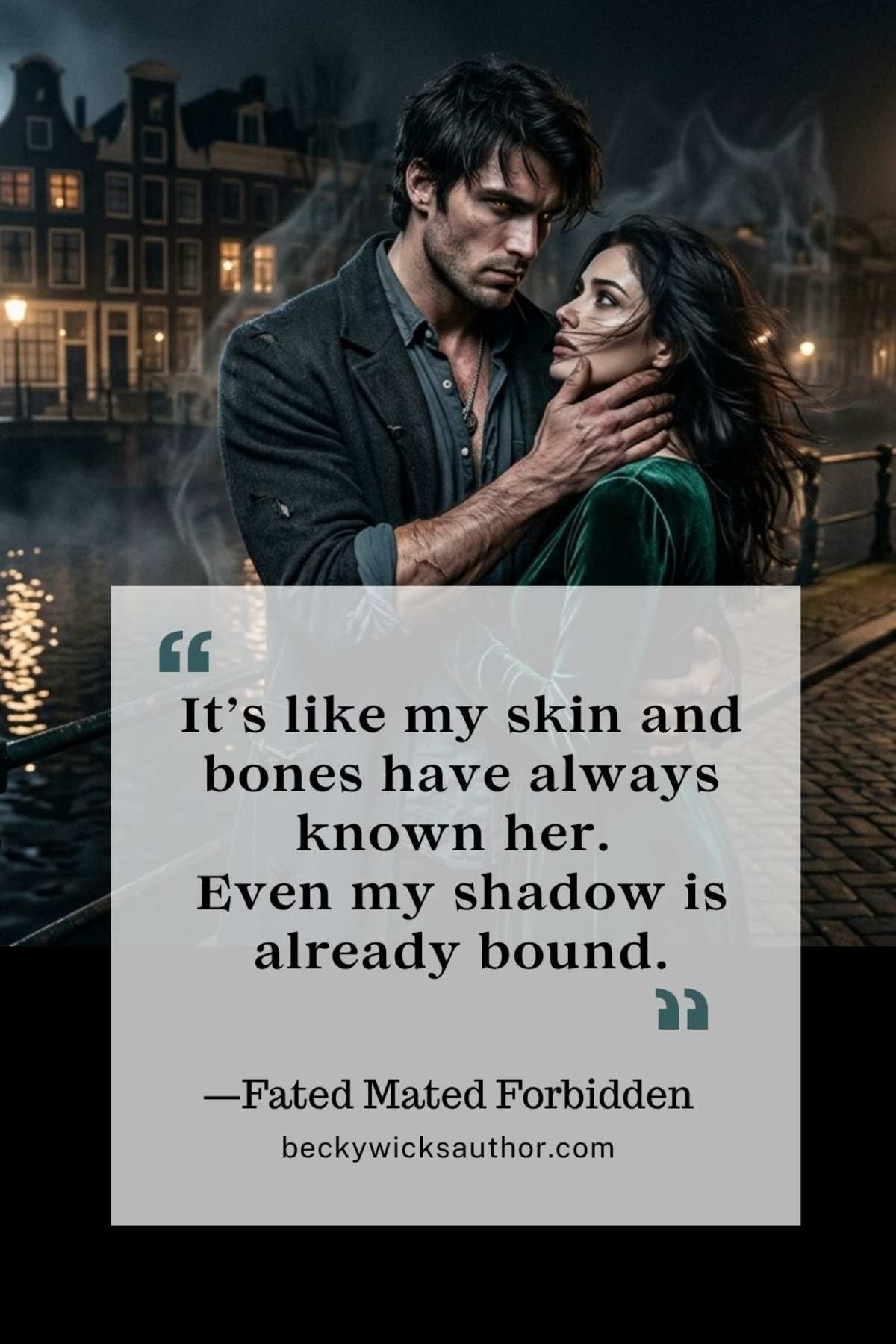
That's exactly the world of the Amsterdamaged series — Dutch shifters, old magic, and a city with a deep, dark wild side that's always one heartbeat away. Start reading today.